Program in Costa Rica (BIO 280LA), Summer Summer 2013: June 24 – July 23 OTS Undergraduate Brochure ( 2.17 mb ) Coordinator: Ph.D. Anjali Kumar Co-Coordinator: Sylvia Seger • Orientation Materials( 960 kb ) • Syllabus( 141 kb ) • FAQ's ( 572.8 kb ) • See research reports of program alumni: Coursebooks Application Deadline: May 1 OTS selects participants on a rolling admissions basis. Please apply early to be considered. Applications will be accepted until courses are filled. Organization for Tropical Studies Duke University Box 90630 Durham, NC 27708-0630 Phone: (919) 684-5155 Fax: (919) 684-5661 Email:otsadmissions @ duke.edu The Organization for Tropical Studies (OTS) and the Office of Study Abroad (OSA) at Duke University proudly present an exciting opportunity to study tropical biology in Costa Rica. Based at OTS Field Stations, this undergraduate course provides access to a broad array of tropical ecosystems, including lowland wet forest at La Selva, dry forest, and wetlands at Palo Verde, and premontane moist forest at Las Cruces.
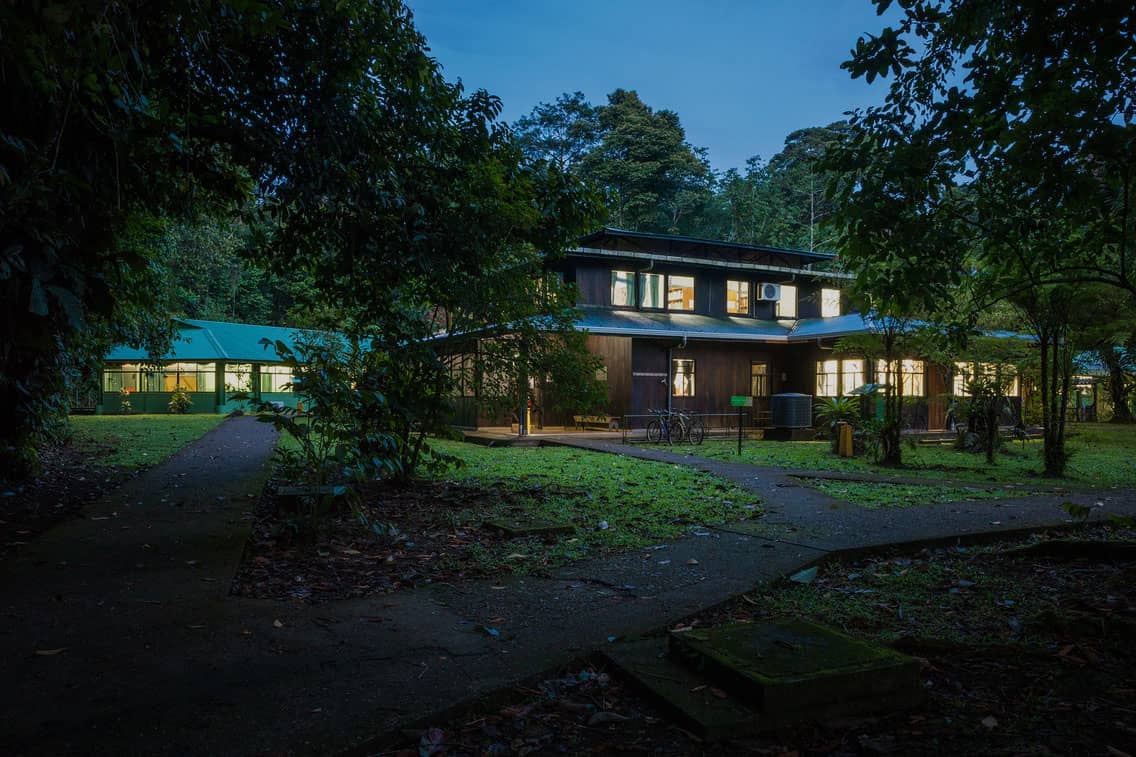
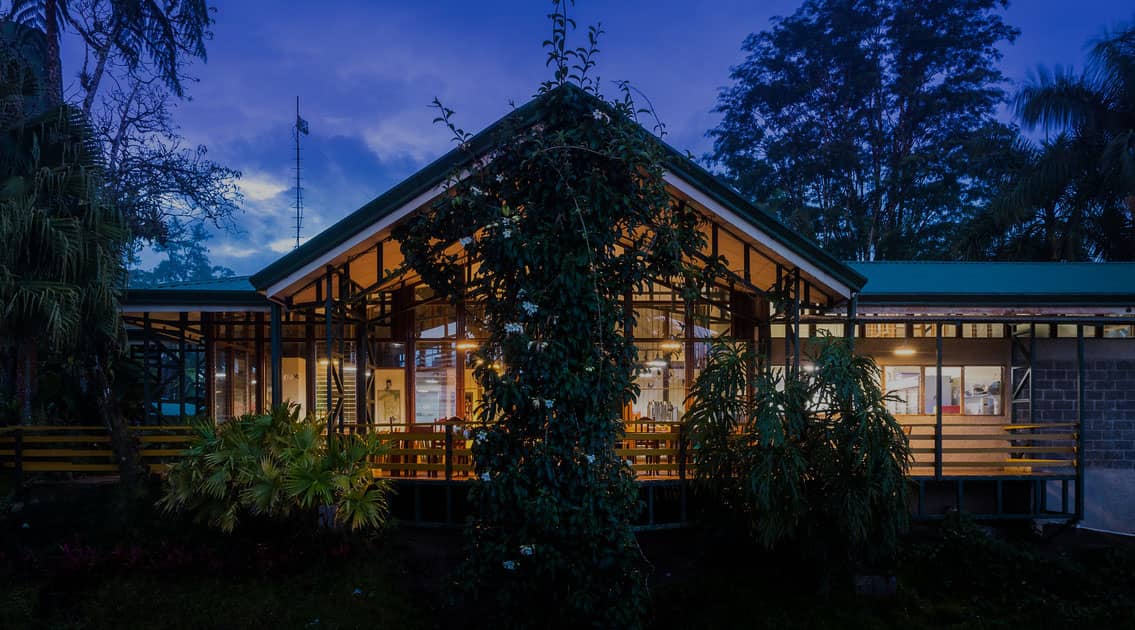
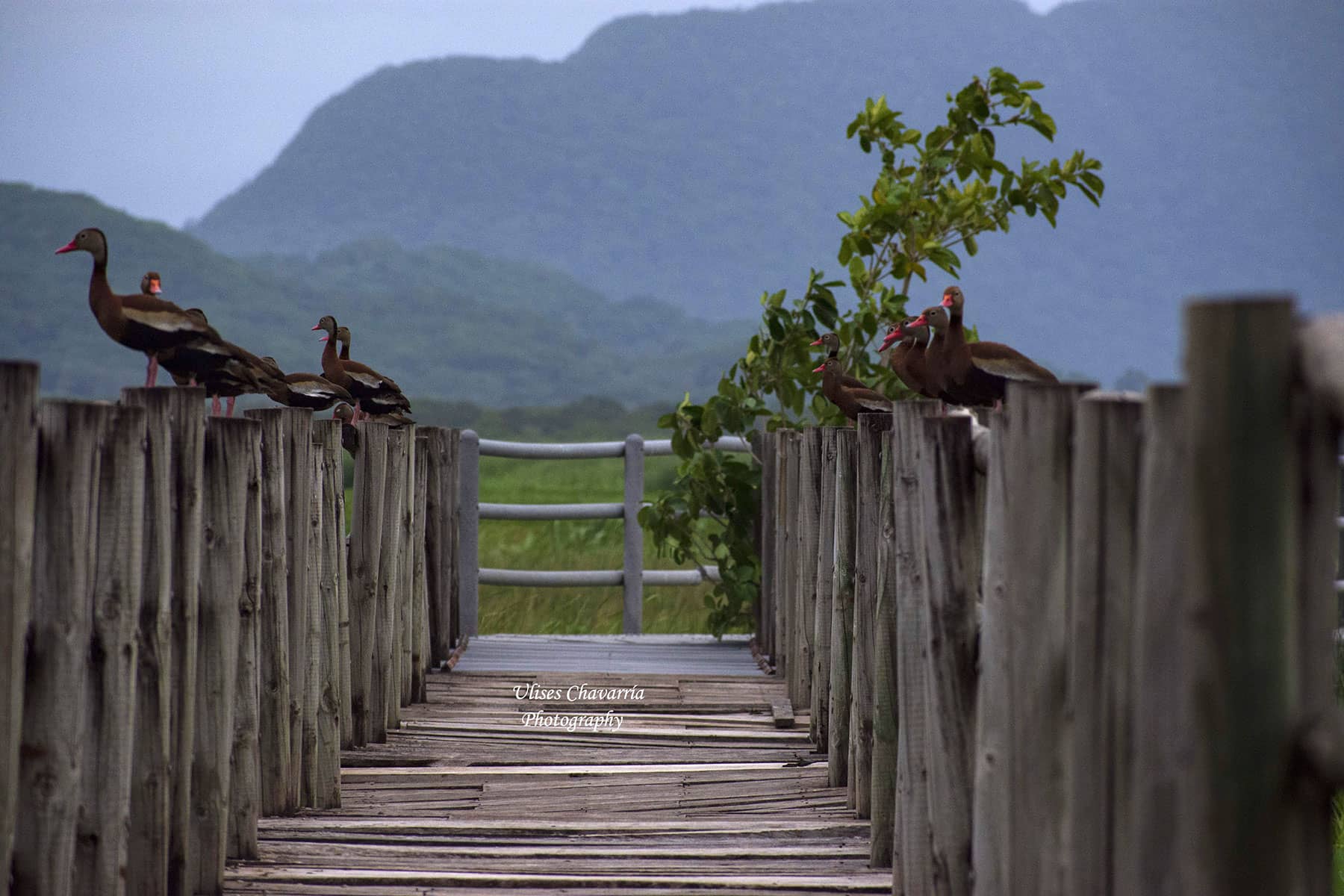
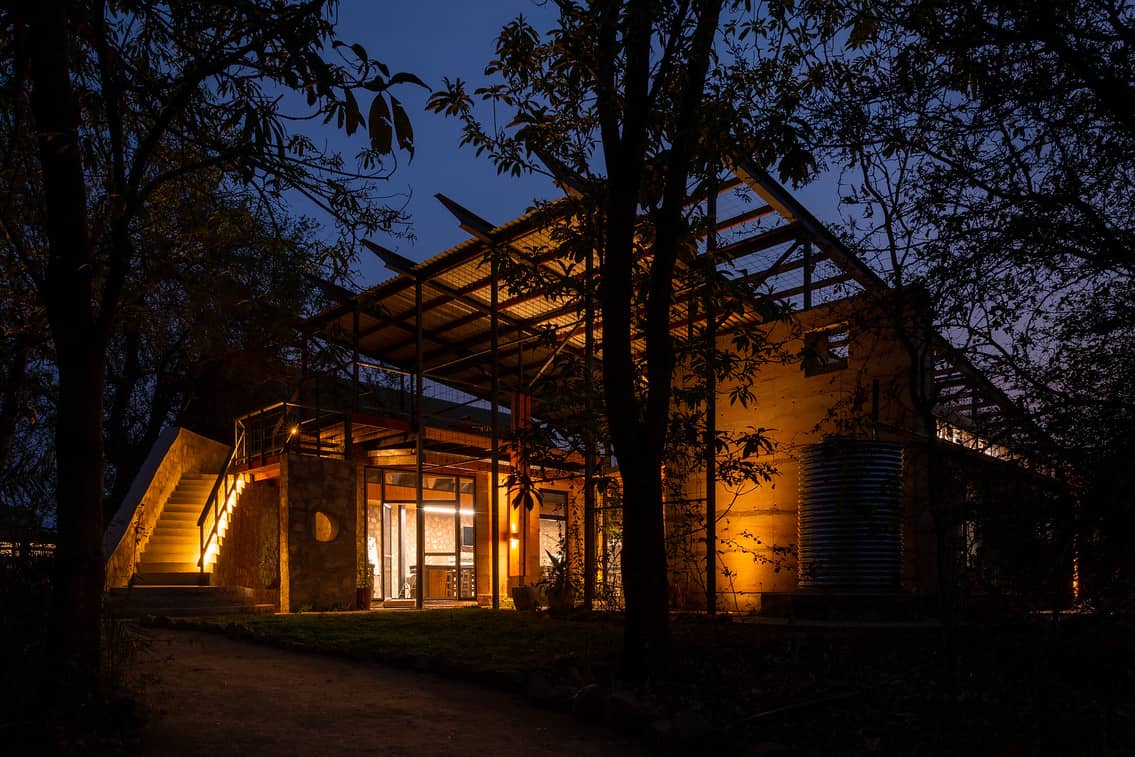
Biology 280LA Field Tropical Biology offers students the exciting opportunity to study first-hand the evolutionary ecology of important plant and animal taxa in tropical ecosystems. Course design emphasizes intensive field work and visits all three OTS field stations as well as other sites. Students are thus introduced to a great diversity of tropical habitats, each possessing distinctive biotas that in turn demonstrate unique evolutionary histories and ecological dynamics. As part of the course, students work closely with resident professors in the design, implementation, and interpretation of their own independent research project in field ecology. Independent projects allow students to learn science by doing science in a beautiful and challenging tropical setting. Results are presented orally following the protocol of a scientific meeting. Students also submit a formal research report which becomes part of the permanent records of OTS field stations. The course also covers topics on conservation biology, including forest fragmentation, restoration, and other factors affecting biodiversity. Upon successful completion of the program, students will receive one course credit from Duke University. Go to top InstructorsOTS and Duke University take great pride in the experience and expertise of our resident professors. Summer teaching staff have a broad background in biology, ethnobiology and related fields. They are appointed on a rotating basis and supervised by the Coordinator of OTS Undergraduate Programs. Go to top Sites VisitedWe will visit 4 OTS stations. La Selva Biological Station, located in lowland tropical forest on the Atlantic slope, is an internationally renowned research center and home to thousands of species of flora and fauna. Palo Verde Biological Station, located in seasonally dry forest of northwest Costa Rica, provides direct access to extensive wetlands with a host of magnificent waterfowl. Las Cruces Biological Station, located in pre-montane wet forest of southern Costa Rica, is a station focused on restoration ecology and home to the Wilson Botanical Garden, the largest in Central America. Las Alturas Biological Station, near Las Cruces Biological Station, is a rustic site adjacent the enormous Amistad National Park, which extends down through Panama and is the largest protected area in Costa Rica. The course will also visit a high-mountain site in Cerro de la Muerte. If you would like more information on the sites to be visited, please email undergradprograms @ ots.ac.cr. Go to top Eligibility This program is open to all undergraduate students in good academic standing who have completed two semesters of college biology. We prefer that students possess a basic understanding of the Spanish language. Students who are interested in building their Spanish proficiency should contact the Enrollment Management Team for suggestions regarding programs for additional Spanish language training prior to the program start date. Students who are interested in adding 2-3 weeks of Spanish classes with a language academy tailored to their current level and a homestay with a Costa Rican family to the end of the summer program, please contact the Coordinator of Undergraduate Programs (jennifer.stynoski @ ots.ac.cr). Go to Top CostsTuition and program fee for Summer 2013 is $5,620 plus a $40 transcript fee for all non-Duke University students. The tuition and program fee includes room and board, local travel and certain recreational activities. It does not include international air travel, independent travel, or personal effects and incidentals. Go to top Financial Aid- Scholarships: OTS has funding available for students from ethnic or minority groups underrepresented in the sciences, as well as for Costa Rican students. For more information, please contact an OTS Admissions Counselor.
- For Non-Duke Students: Please consult with the Financial Aid Office at your institution or contact an OTS Admissions Counselor.
- For Duke Students: Duke undergraduates who receive need based financial aid during the academic year may inquire about receiving funding for a Duke summer program. For information, please contact the Duke Office of Study Abroad.
Go to top
Organization for Tropical Studies Duke University Box 90630 Durham, NC 27708-0633 Tel. (919) 684-5155 Fax (919) 684-5661 E-mail: otsadmissions @ duke.edu All applications will be considered without regard to race, color, national and ethnic origin, disability, sexual orientation or preference, gender, or age. Duke University reserves the right to cancel this program. Should it do so, refunds will be made in accordance with the Duke University Office of Study Abroad policy.Go to top
|