Inicio
Costa Rica Semester - TROPICAL BIOLOGY Imprimir
Program in Costa Rica, Fall & Spring
Spring 2010: Jan 26 - May 11; Fall 2010: Aug 23 - Dec 7
OTS Undergraduate Brochure '09-10 ( PDF document 791 kb )

Apply Now!

Resident Faculty:
Mauricio Garcia, MSc.
Erika Deinert, Ph.D
Susan Letcher, Ph.D.

Spring 2010 Orientation Materials
( PDF document 622 kb )

• Fall 2010 Orientation Materials
( PDF document 2.5 Mb )

Spring 2010 Course Syllabus

( PDF document 397 kb )

Fall 2010 Course Syllabus

( PDF document 524 kb )

FAQ's ( PDF document 573 kb )

Application Deadline:
Spring Semester: DUE NOV. 1
Fall Semester: DUE APRIL 1

Organization for Tropical Studies
Duke University
Box 90633
Durham, NC 27708-0033
Phone: (919) 684-5774
Fax: (919) 684-5661
Email:otsadmissions @ duke.edu

Fall and Spring semester programs sponsored by Duke University and the Organization for Tropical Studies (OTS) provide students with an in-depth understanding of scientific ecology, complemented by a strong foundation in social, political, economic, and scientific aspects of resource management. The semester program, designed for biology majors but open to students from all disciplines, represents a unique opportunity to learn about the inner workings of field ecology under the direct guidance of experienced ecologists. Our programs are academically rigorous and field-based. Students have ample opportunity to enjoy a hands-on, participatory learning process, as well as to expand their academic and personal horizons in the context of a supportive learning environment.


Students in the program are enrolled in the following courses and receive the equivalent of four semester hours for each course.

Fundamentals of Tropical Biology (BIO 134) This course integrates field and classroom instruction to introduce students to the fundamental principles of tropical ecology. Costa Rica, with its diverse array of tropical ecosystems, provides a perfect context in which to study first hand the biological complexity of the tropics. Field trips and exercises are conducted in lowland and montane forests, seasonal dry forests, and high elevation paramo. Topics covered include taxonomy and natural history of tropical biota, patterns of species diversity, and species interactions in natural ecosystems.

Environmental Science and Policy of the Tropics (ENV 129) Incorporating a variety of case studies from the challenges and achievements of conservation efforts in Costa Rica, this course blends global with local perspectives in order to identify and understand environmental issues in in developing tropical countries. Field and classroom activities cover diverse topics, including habitat degradation and fragmentation, reserve design and management, national parks and conservation areas, agroecosystems, biological prospecting, ethnobiology, and restoration ecology.

Field Research in Tropical Biology (BIO 135L) gives students the opportunity to learn science by doing science. Lectures and faculty-led projects introduce the principles of hypothesis formation, experimental design, sampling, and the application of basic statistics to the interpretation of data. As part of the course, students work closely with resident professors in the design, implementation, interpretation, and presentation of their own research project in field ecology. Students have the opportunity to engage in group learning activities as well as complete individual work.

Culture and Language in Costa Rica (SP 62) In the middle of the program, students go back to San Jose where they attend formal classes up to five hours a day for two and half weeks and live with a Costa Rican family. The chief goals are to expand vocabulary and conversational skills, strengthen grammar, and introduce key social, cultural, and environmental issues in Costa Rica. The curriculum consists of dynamic classroom discussions, supplemented by listening, writing and reading exercises. During this period, students attended formal classes up to five hours a day and live with a Costa Rican family.

Go to top

Instructors

OTS and Duke University take great pride in the experience and expertise of our teaching staff for the Undergraduate Semester Abroad Program. All of our faculty are active tropical biologists and dedicated teachers. For more information, please visit the Faculty Staff in Costa Rica.

Eligibility

This program is open to all undergraduate students in good academic standing who have completed one semester of college biology. We prefer that students possess a basic understanding of the Spanish language. Students who are interested in building their Spanish proficiency should contact the Enrollment Management Team for suggestions regarding programs for additional Spanish language training prior to the program start date.

Prerequisites

All students who are in good academic standing at their college or university are welcome to apply. Course prerequisites are two semesters of college biology and or ecology.

Go to top

Sites Visited

Photo: La Selva Map Photo: Palo Verde Map Photo: Las Cruces Map


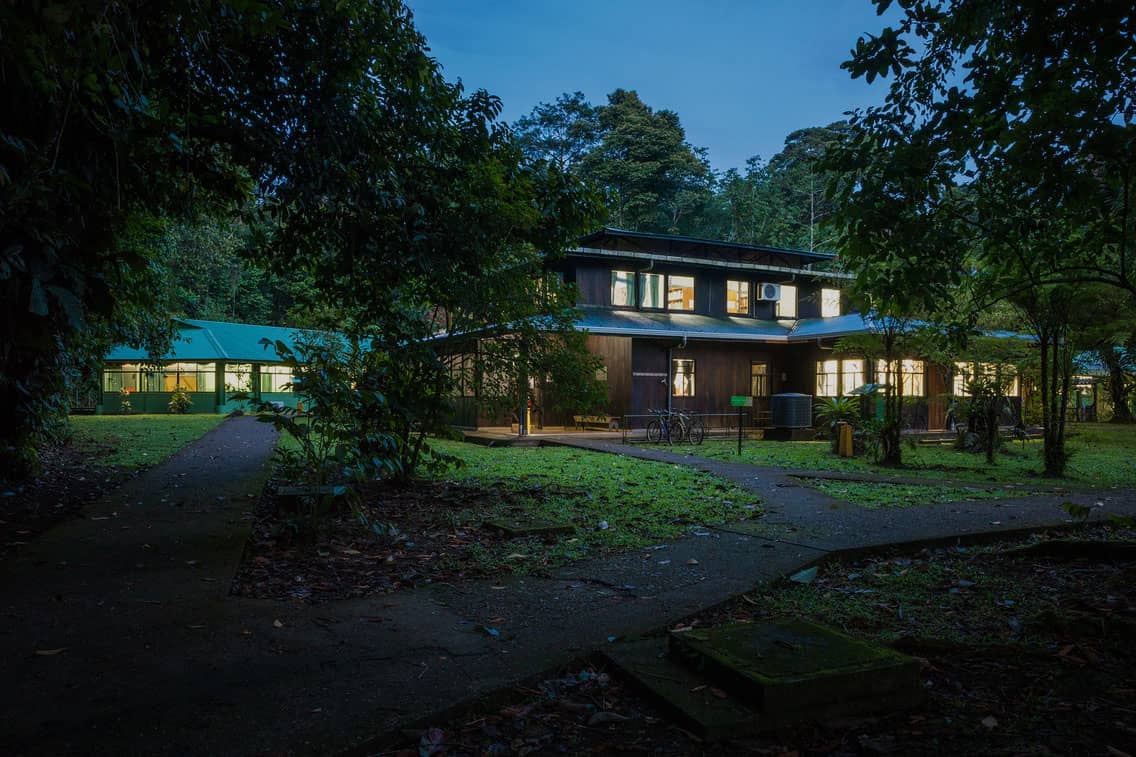
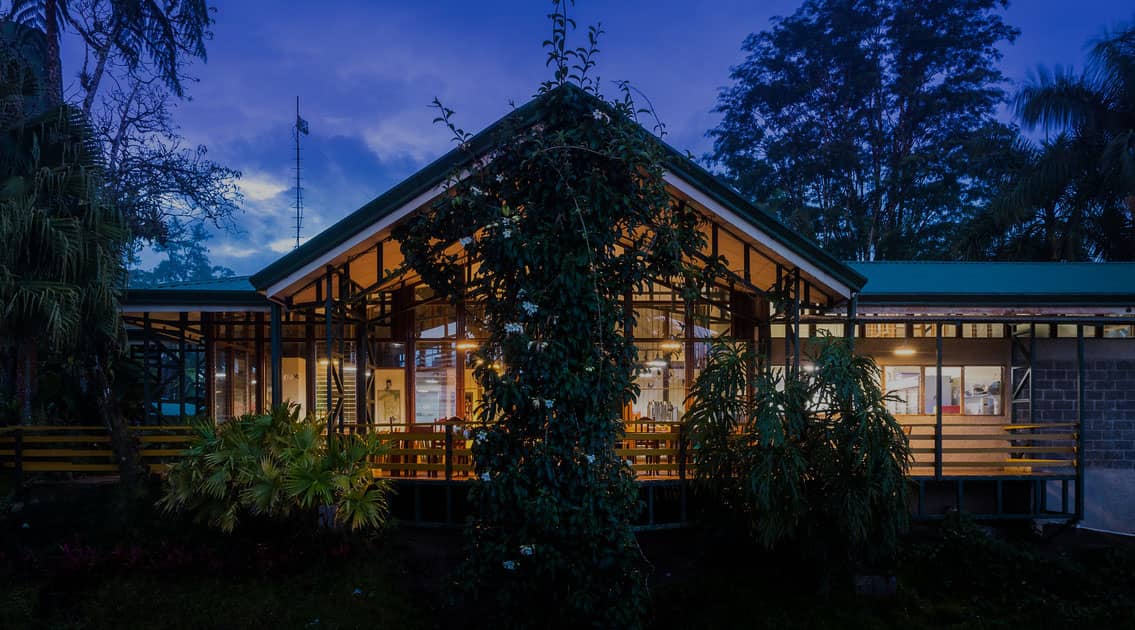
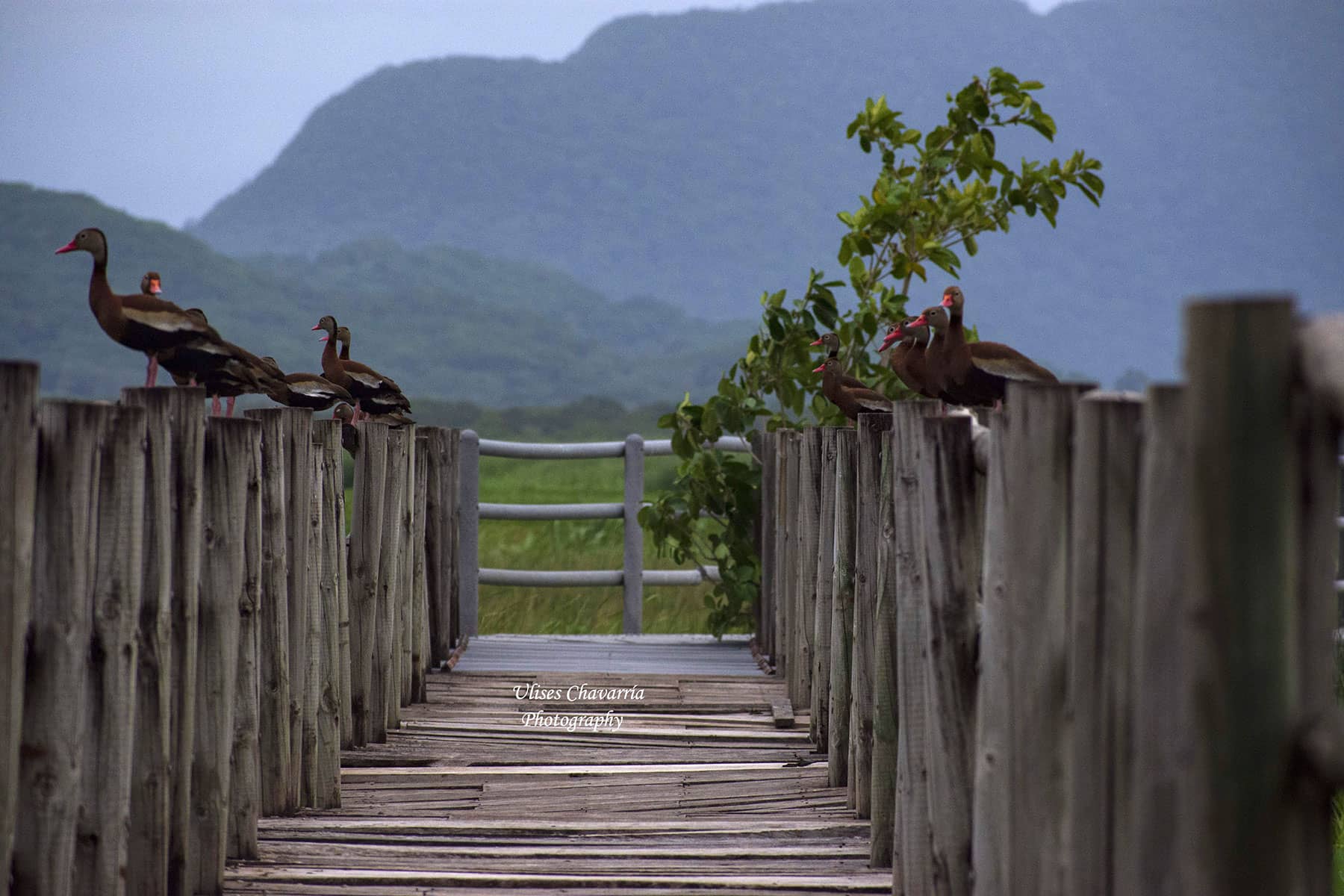
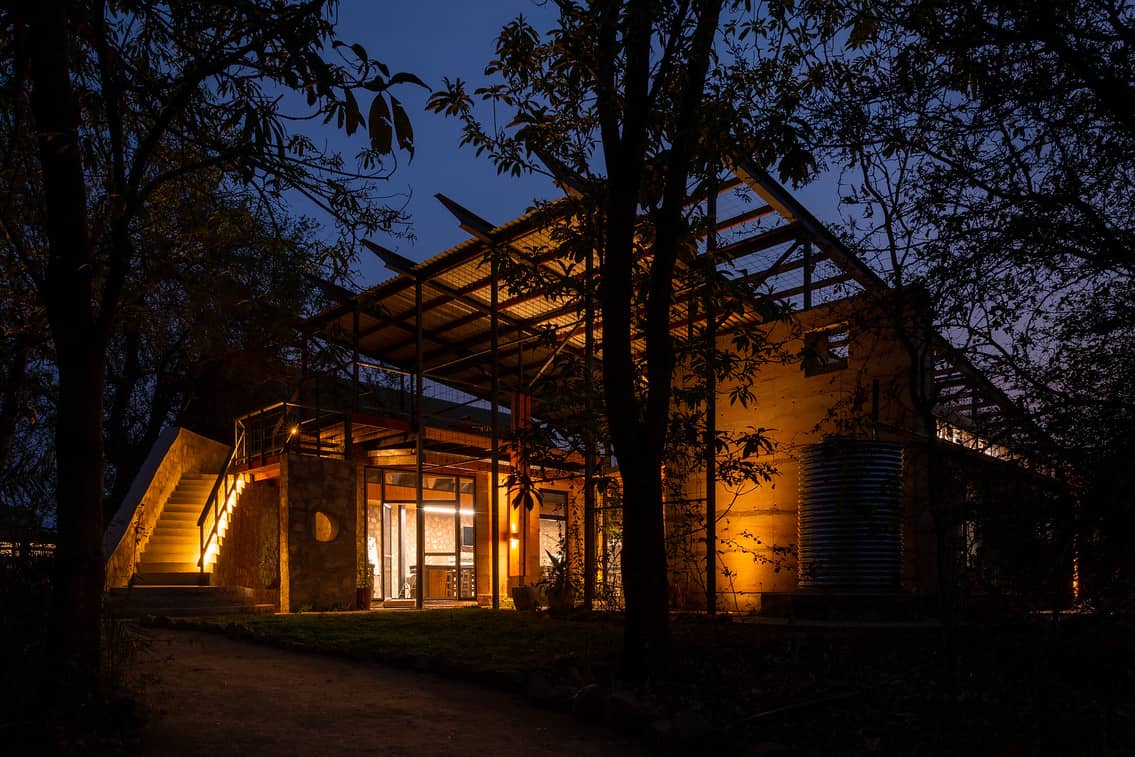
Every semester, we visit all three OTS Stations. La Selva Biological Station, located in lowland tropical forest on the Atlantic slope, is an internationally renowned research center and home to thousands of species of flora and fauna. Las Cruces Biological Station, located in cool mid-elevation forest on the Pacific slope, houses Costa Rica’s premier botanical garden with the richest plant collection of Central America. Palo Verde Biological Station, located in seasonally dry forest of northwest Costa Rica, provides direct access to extensive wetlands with a host of magnificent waterfowl. The program also visits additional sites that vary between semesters. If you would like more information on sites to be visited, please contact us.

Go to top

Costs

Tuition and fees for the 2010-2011 academic year are $18,800.00 (please note that Duke tuition is subject to yearly increases). Program fees include room and board, local travel, certain recreational activities, field and office equipment, and some computer services. They do not include international air travel, independent travel, nor personal effects and incidentals (i.e. souvenirs, snacks, etc.).Non-Duke students should add $40 for a one-time only, lifetime transcript fee.

Go to top

Financial Aid

  • Scholarships: OTS has funding available for students from ethnic or minority groups underrepresented in the sciences, as well as for Costa Rican students. For more information, please contact the Undergraduate Program Officer. For Non-Duke Students: Please consult with the Financial Aid Office at your institution or contact an OTS Admissions Counselor.
  • For Duke Students: Duke undergraduates who receive need based financial aid during the academic year may apply their financial aid package to a Duke semester abroad program. For information, please contact the Duke Office of Study Abroad.
Go to top

Travel Arrangements

Upon acceptance to the program, students will receive an orientation packet with detailed information about how to prepare for the program, including sites visited and suggestions on what to bring. All participants should plan to arrive in San José by the evening of the Semester Program start date. Students must have a valid passport and an International Student ID Card in order to participate. For more information, please contact the Admissions Counselor.

Go to top

Schedule of Payments and Deadlines

Students will be informed of their acceptance to the program on a rolling basis. Upon acceptance, a nonrefundable deposit of $1000 is due to confirm a place in the program. Non-Duke students should pay $1,040 (includes a one-time, lifetime transcript fee. Final payment of remaining tuition and fees is due 1 to 2 months prior to the program start date. Detailed payment information, including amounts and due dates, will be provided to students with their acceptance letter.

Go to top

We would like to hear from you! If you have questions about this program or other opportunities with OTS, please contact Admissions Counselor or the Director of Enrollment Management at OTS. Duke students should also contact the Office of Study Abroad at Duke University.

Organization for Tropical Studies
Duke University
Box 90633
Durham, NC 27708-0633
Tel. (919) 684-5774
Fax (919) 684-5661
E-mail: otsadmissions @ duke.edu

All applications will be considered without regard to race, color, national and ethnic origin, disability, sexual orientation or preference, gender, or age. Duke University reserves the right to cancel this program. Should it do so, refunds will be made in accordance with the Duke University Office of Study Abroad policy. Go to top
Modificado el ( 26/01/10 )
 
Organization for Tropical Studies
Site powered by Joomla!